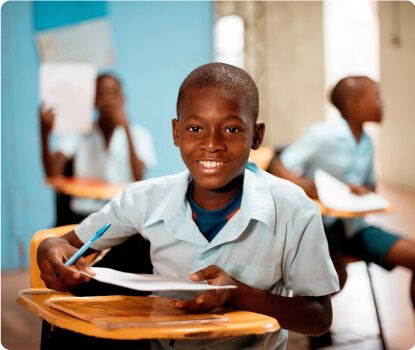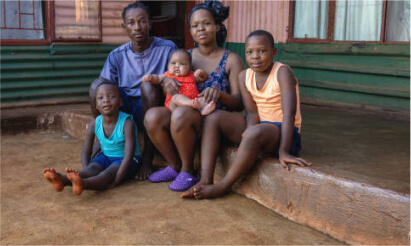
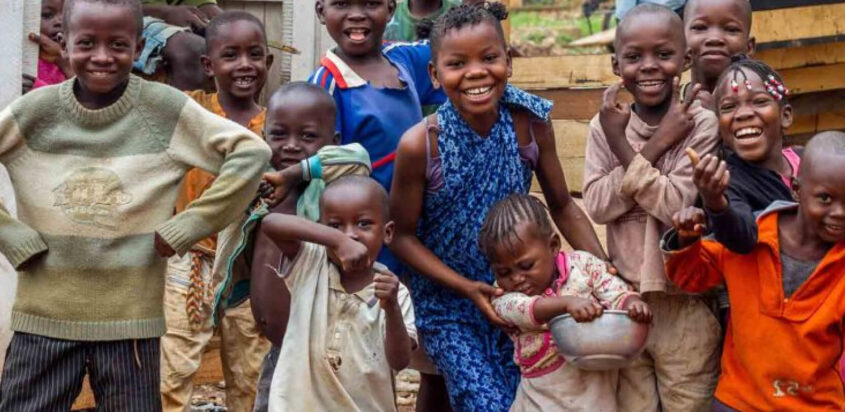
Every child deserves the opportunity to learn, dream and build a better future, regardless of where they were born or the circumstances of their family.
Yet for millions of children around the world, poverty can make something as fundamental as education difficult to access. School fees, learning materials, transportation costs, inadequate facilities and economic pressures within families can prevent children from receiving the education they need to reach their full potential.
For children growing up in disadvantaged communities, these challenges can have consequences that extend far beyond the classroom. Limited access to quality education can reduce future employment opportunities, contribute to financial insecurity and make it more difficult for families to escape poverty.
This is why breaking the cycle of poverty through education is so important.
Education does more than teach children how to read, write and solve problems. It gives them knowledge, confidence, practical skills and opportunities that can influence the direction of their entire lives.
At Cynthia Impact Foundation, we believe a child’s financial circumstances should never determine the limits of their future.
Understanding the Cycle of Poverty
Poverty is rarely the result of a single challenge. It can be influenced by limited employment opportunities, inadequate healthcare, poor infrastructure, inequality, displacement and lack of access to essential services.
Education is closely connected to many of these challenges.
When families experience financial hardship, education may become increasingly difficult to prioritise. Parents may struggle to afford uniforms, books, transportation, examination fees or other school-related expenses.
In some circumstances, children may also be expected to contribute financially to their households or take on responsibilities that interfere with their education.
When a child receives little or no education, their opportunities later in life can become limited. Without appropriate knowledge, qualifications or practical skills, finding stable employment or building a sustainable livelihood may become significantly harder.
This can create an intergenerational cycle:
Poverty limits access to education → limited education reduces opportunities → reduced opportunities contribute to continued poverty.
Breaking that cycle requires giving children opportunities to learn and providing the wider support necessary to help them remain in education.
How Education Helps Break the Cycle of Poverty
Education can be one of the most powerful foundations for long-term social and economic development.
The impact extends beyond academic qualifications. Quality education can help children develop communication, critical-thinking, problem-solving, digital and interpersonal skills that prepare them for adulthood.
Education Creates Better Economic Opportunities
One of the most significant ways education can contribute to poverty reduction is by improving future economic opportunities.
Children who receive quality education have greater opportunities to develop the skills and qualifications required for employment, entrepreneurship and further education.
As economies become increasingly influenced by technology and specialised skills, access to education and training becomes even more important.
A child who receives the right support today could become tomorrow’s teacher, healthcare professional, engineer, entrepreneur, technology specialist or community leader.
Education therefore represents more than an immediate intervention. It is an investment in future potential.
Education Gives Children the Confidence to Dream
Poverty can affect more than material circumstances. Growing up surrounded by limited opportunities can influence what children believe is possible for their lives.
Education can help change that perspective.
A supportive learning environment exposes children to new ideas, careers, technologies and possibilities. Teachers and mentors can help young people recognise their abilities and develop confidence in their potential.
Sometimes a child’s ambitions begin simply because someone showed them that another future was possible.
This is why mentorship can be an important complement to formal education. Children need access to knowledge, but they can also benefit enormously from encouragement, positive role models and guidance.
The Barriers Preventing Children From Accessing Education
Making education available does not automatically make it accessible.
Children from disadvantaged backgrounds can face multiple barriers that make attending and completing school difficult.
Financial Barriers
Even where basic education is available, families may face additional expenses associated with schooling.
These can include:
- Uniforms and appropriate clothing
- Books and stationery
- Transportation
- Examination expenses
- Digital devices and internet connectivity
- Meals and other everyday costs
For a household already struggling to meet essential needs, these expenses can become significant.
Providing targeted educational assistance can therefore make the difference between a child remaining in school and falling behind or dropping out.
Lack of Learning Materials
Children learn more effectively when they have appropriate resources.
A student without textbooks, stationery or access to learning technology may struggle to participate fully in lessons or complete assignments.
Educational support should therefore consider not only getting children into classrooms but ensuring they have the resources necessary to succeed once they are there.
The Digital Divide
Digital skills are becoming increasingly important in education and employment.
However, access to computers, smartphones, reliable internet connections and digital learning platforms remains unequal.
Children without access to technology can be disadvantaged as education becomes increasingly digital.
Closing this divide means combining traditional educational support with opportunities for children and young people to develop practical digital skills.
Why Girls’ Education Matters
Girls can face additional barriers to education, particularly in communities affected by poverty, inequality and harmful social practices.
Supporting girls’ education has benefits that extend beyond individual students.
Educated girls have greater opportunities to develop careers, become entrepreneurs, participate in decision-making and achieve greater economic independence.
They can also become role models for younger generations.
Creating equal educational opportunities for girls is therefore an important part of building communities where every child has the chance to fulfil their potential.
Education Strengthens Entire Communities
The benefits of education do not end with one child.
When young people gain knowledge and skills, they can use them to support their families, create businesses, employ others and contribute to their communities.
Imagine the long-term impact of helping a child complete their education.
That child could eventually establish a successful business that employs other people. Another might become a teacher who educates hundreds of children. Someone else might become a healthcare professional serving communities with limited medical services.
This multiplier effect is one reason breaking the cycle of poverty through education can create sustainable change.
Supporting one child’s education can eventually influence many more lives.
Moving Beyond Short-Term Assistance
Humanitarian assistance can be essential when families face immediate hardship. Food, clothing, shelter and emergency support can provide vital relief.
However, sustainable poverty alleviation also requires creating pathways towards independence.
Education is one of those pathways.
Providing a child with school supplies can address an immediate need. Helping that child remain in education, develop useful skills, receive mentorship and eventually access employment or entrepreneurship opportunities can contribute to long-term change.
Effective development therefore requires both compassion for today’s challenges and investment in tomorrow’s opportunities.
The Role of Scholarships and Educational Support
For children from low-income families, relatively small interventions can have significant effects.
Scholarships and educational assistance can help remove financial barriers that prevent talented and motivated children from continuing their education.
Support can include:
- School fees and scholarships where appropriate
- Books and educational materials
- Uniforms and school supplies
- Digital learning resources
- Mentorship programmes
- Career guidance
- Vocational and technical training
- Digital literacy programmes
The objective should not simply be school attendance. Children should have the opportunity to learn effectively, develop relevant skills and successfully transition into adulthood.
The Importance of Skills Development
Traditional education remains essential, but young people also need skills that prepare them for the realities of modern employment and entrepreneurship.
Digital literacy, financial literacy, communication, problem-solving, leadership and entrepreneurship can complement classroom learning.
For older children and young adults, vocational and technical training can also create alternative pathways to sustainable livelihoods.
A comprehensive approach to education recognises that success looks different for every young person.
The ultimate goal is to help each individual discover and develop their potential.
Our Commitment at Cynthia Impact Foundation
At Cynthia Impact Foundation, we believe every child deserves a fair opportunity to build a meaningful future.
Our vision extends beyond providing temporary assistance. We want to help create pathways through which children and young people can develop the knowledge, confidence and skills necessary to become independent and contribute positively to society.
Through our education and youth-focused initiatives, we aim to support underserved communities through educational assistance, learning resources, mentorship, digital literacy and skills development.
We also recognise that education cannot always be addressed in isolation.
A child’s ability to learn may be influenced by the economic circumstances of their parents, their health and wellbeing, access to essential resources and the wider conditions within their community.
For this reason, our approach connects education with women and youth empowerment, poverty alleviation, sustainable livelihoods, health and community development.
By addressing these interconnected challenges, we hope to create opportunities that can have lasting impact.
How You Can Help Give a Child a Chance
Creating meaningful change requires collective action.
Individuals, businesses, community organisations and development partners can all contribute to expanding educational opportunities for vulnerable children.
You can make a difference by supporting educational programmes, providing learning resources, sponsoring initiatives, volunteering your skills, mentoring young people or partnering with organisations working directly with underserved communities.
No contribution to a child’s future is insignificant.
A textbook can help a child learn.
A scholarship can keep a student in school.
A laptop can introduce a young person to the digital world.
A mentor can help someone discover a career they never knew existed.
And one opportunity can change the direction of a life.
Every Child Deserves the Opportunity to Succeed
A child’s future should not be determined by poverty.
Every child deserves the opportunity to enter a classroom with the resources they need, discover their abilities and imagine a future filled with possibilities.
Breaking the cycle of poverty requires more than addressing today’s hardship. It requires investing in the potential of the next generation.
Education gives us an opportunity to do exactly that.
When we educate a child, we do more than prepare them for examinations. We help equip them with tools that can shape their future, strengthen their family and contribute to the development of their community.
At Cynthia Impact Foundation, we believe lasting change begins when people are given the opportunity to build better lives for themselves.
Because every child deserves more than hope. Every child deserves a chance.
Frequently Asked Questions
How can education help break the cycle of poverty?
Education can provide children and young people with knowledge, qualifications and practical skills that improve their future employment and entrepreneurship opportunities. Over time, greater economic independence can help individuals and families move towards more sustainable livelihoods.
Why do children from low-income families struggle to access education?
Financial pressures can make it difficult for families to cover school-related expenses such as uniforms, books, transportation, learning materials and technology. Children may also face challenges relating to location, family responsibilities and access to quality schools.
What educational support can make the biggest difference?
The most effective support depends on the needs of the child and community. Scholarships, school supplies, learning materials, digital access, mentorship, career guidance and skills training can all help remove barriers to education.
Why is girls’ education important for poverty reduction?
Education can give girls greater opportunities for employment, entrepreneurship, leadership and financial independence. Supporting girls’ education can therefore contribute to stronger families and more economically resilient communities.
How can individuals support children’s education?
Individuals can donate to educational programmes, provide learning materials, volunteer, mentor young people, sponsor educational initiatives or partner with organisations supporting disadvantaged children.
How does Cynthia Impact Foundation support education?
Cynthia Impact Foundation aims to improve opportunities for children and young people from underserved communities through educational assistance, learning resources, mentorship, digital literacy, skills development and programmes designed to help young people build brighter and more independent futures.